
A report from the Youth Sport Trust warns that if current inactivity trends continue, today’s pupils could face poorer health, lower attainment and reduced life chances by 2035. With PE the most commonly dropped subject, we explores what challenges schools face in protecting PE and how to make provision flourish
A new report has warned that today’s pupils risk poorer health, lower attainment and diminished life chances by 2035 if current inactivity trends continue. Schools therefore have a key role to play in reversing the trends that could otherwise lead to a future health crisis.
The Youth Sport Trust’s latest Class of 2035 report, produced in partnership with research agency Savanta, uses AI modelling and polling of young people to project the long-term consequences of declining physical activity.
For schools, the report predicts that without intervention, a continued erosion of PE provision will occur, with fewer hours on the timetable, more cancelled lessons and reduced quality of experience.
Evidence suggests this is already happening. One in three young people say they have had at least one lesson cancelled during the current school year, with PE the most commonly dropped subject. Staff shortages, lack of available space – such as sports halls being used for exams – poor weather and the need to make time for other subjects are all cited as key reasons.
Experiences of PE at school
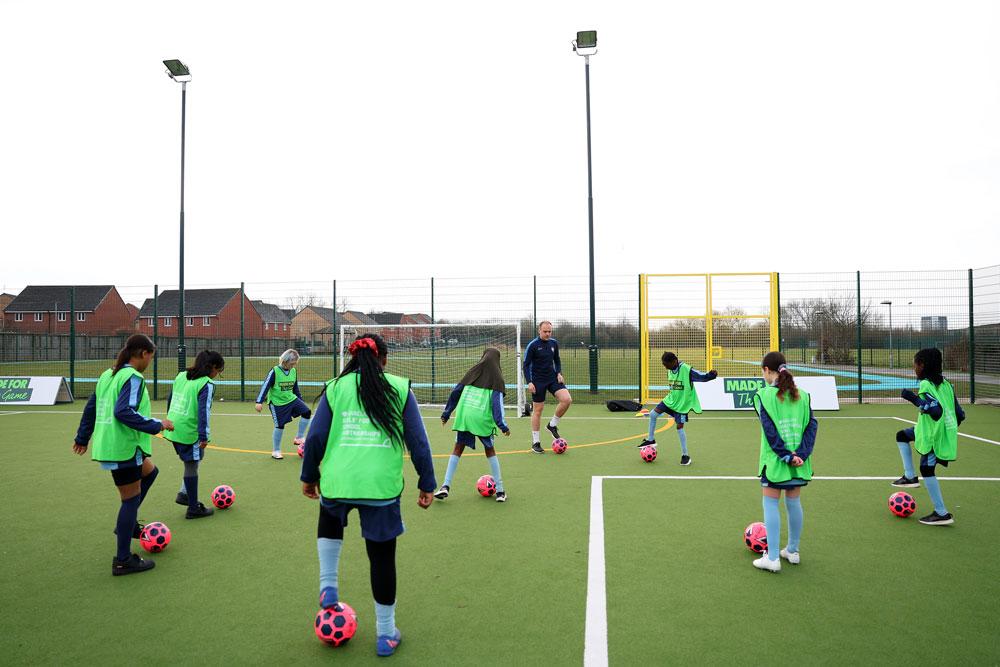
Despite these challenges, pupil appetite for PE remains strong. The vast majority of young people report enjoying PE, although enjoyment declines as children get older. A gender gap is also evident, with boys more likely than girls to say they enjoy lessons.
Among those who dislike PE, common concerns include fear of letting the team down, worries about getting hurt, feeling self-conscious about their body or believing they are not good at sport. These concerns are more prevalent among girls and disabled pupils, highlighting the importance of inclusive practice and sensitive curriculum design.
The impact on health
The report comes alongside new analysis from Sport England, which estimates that active lifestyles generate £8 billion in annual healthcare savings and deliver £14.1 billion in wellbeing value for children aged 7 to 16.
However, the Youth Sport Trust warns that inactivity levels are set to rise sharply over the next decade. By 2035, almost half of children could be spending three or more hours a day on recreational screens, more than a third may not achieve even 30 minutes of daily activity, and obesity and Type 2 diabetes rates among young people are expected to increase significantly. Schools, the report suggests, could also see declining attendance, engagement and sense of belonging among the least active pupils.
While there are changes on the horizon, including the government’s proposed curriculum reboot, alongside a new PE and School Sport Partnership Network, the challenge remains great.
Ali Oliver MBE, chief executive of the Youth Sport Trust, said: “Forthcoming changes to reimagine the Physical Education Curriculum, rebuild enrichment opportunities for every child and establish a new PE and School Sports Partnership Network can be the impetus for change. However, we cannot lose sight of the scale of the challenge and the need to be bold in our response.”
Bringing together expertise
In response to the findings, the Youth Sport Trust has launched a national commission bringing together experts in healthcare, child development and public health to develop recommendations for reversing these trends.
Dr Radha Modgil, Youth Sport Trust health & wellbeing champion said: “My hope for the commission is that it will trigger action and outcomes that support every child to have the opportunity to have sport, play and physical activity as a constant friend and companion throughout their lives - one that they can turn to for their physical, mental and emotional wellbeing.”
What’s more, the Youth Sport Trust is calling for PE to be made engaging and accessible for all pupils, particularly those less likely to be active outside school, and for schools to ensure that curriculum time, facilities and breaktimes support meaningful movement.
Greater engagement with parents and carers is also highlighted as a key factor in sustaining activity beyond the school gates.
Inclusion grant
In positive news, at the Youth Sport Trust Conference, which took place at the Telford International Centre on 4 March 2026, School Standards Minister, Georgia Gould announced that the Inclusion 2028 grant will be extended. The extentsion will continue to improve access to inclusive sport and physical activity opportunities for young people across the country and help support more schools to embed inclusive practice through PE, sport and play.
Ali Oliver MBE, said: “Together with our Inclusion 2028 consortium partners and Youth Sport Trust Lead Inclusion Network, we have seen the impact this programme has made 2017, and this sustained investment helps educators transform curricular and extra-curricular opportunities so all children can experience the life-changing benefits of PE, sport and play.”
The extension of this grant, together with more action from schools to protect PE and effort from parents and carers to promote physical activity after school, will help prevent the Class of 2035 from becoming the least healthy generation in modern history.