
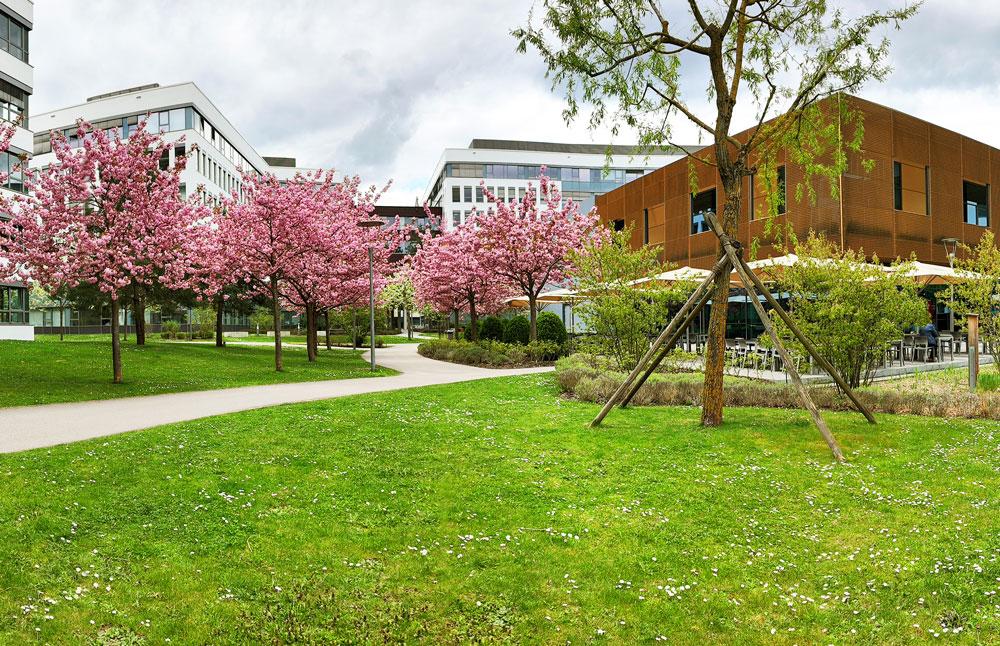
As schools place greater emphasis on providing enrichment opportunities for students, their green spaces have never been more valuable. Jonathan Pettit from the British Association of Landscape Industries highlights simple, achievable ways to transform school grounds into thriving natural spaces
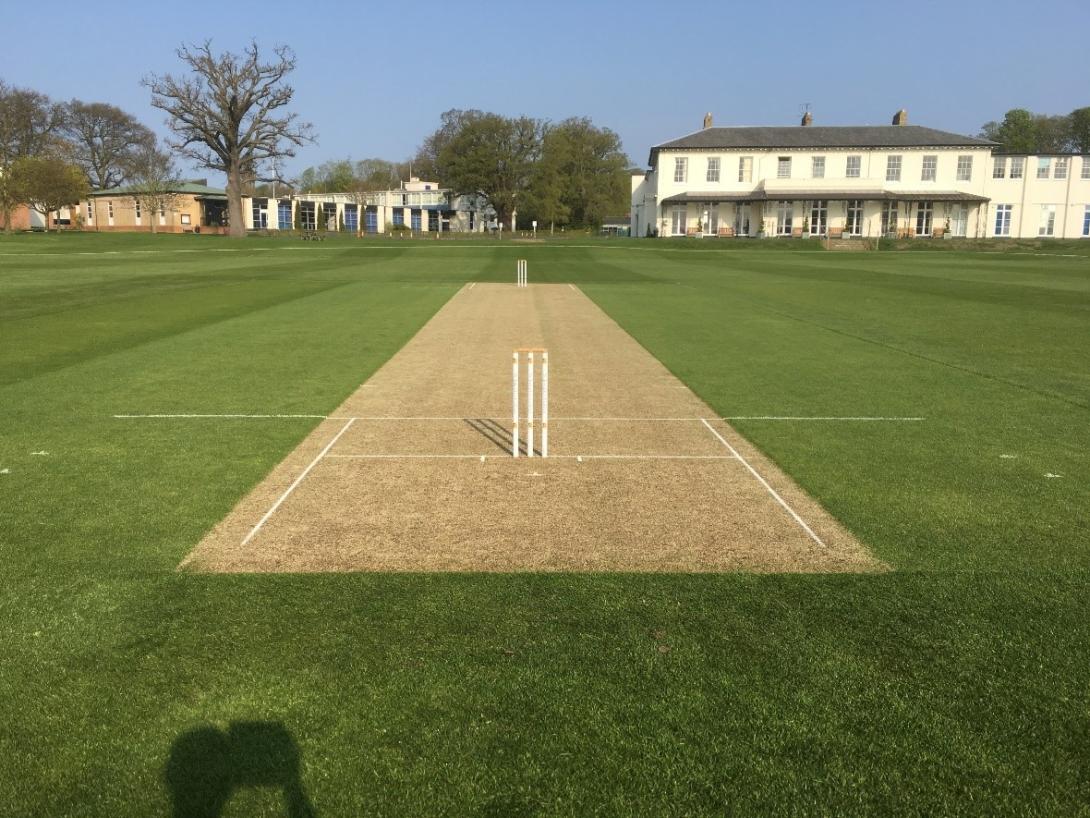
There are around 29,000 state schools in the UK and together they sit on around 50,000 hectares of land. Just over half of this – 26,300 hectares – is green space. This green space will already be offering a range of benefit to pupils; from sports fields where they can run, play, compete and improve physical health to simple areas of grass and trees that will help develop a sense of community, aid mental wellbeing, and improve academic performance. There is also a strong body of evidence that exposure to natural environments reduces stress and lowers absenteeism.
Green spaces also offer learning opportunities like getting pupils and staff outside for lessons. Growing plants and being involved in gardening is proven to help confidence for students and increase skills and knowledge.
Unfortunately, not all of this green space is shared equally between schools, and some will be more landlocked than others. Some will have significant areas of green space as part of their estate, others less so. Whatever the area of green and open space open to you, there will be ways that you can use it to improve and enhance biodiversity.
Of course there is no guarantee that your school has the expertise and resource to begin to plan how to make appropriate
changes to the school estate. But there are many schemes and opportunities for funding that can help you on your way to bolstering biodiversity in your school. This article will look briefly at some of the ways in which biodiversity can be improved as well as provide some links to advice, resource and funding that may help you start or continue your journey.
Perhaps the most widely known is the schools garden programme run by the Royal Horticultural Society. The Campaign for School Gardening was launched in 2007 and has been used to inspire young people to grow plants, understand the environment, as well as develop practical horticultural skills. It has been hugely successful and is free to join. Many schools already have and are making plants, and all the benefits that they bring to wildlife and pupils, an integral part of school life.
Environment enthusiasts
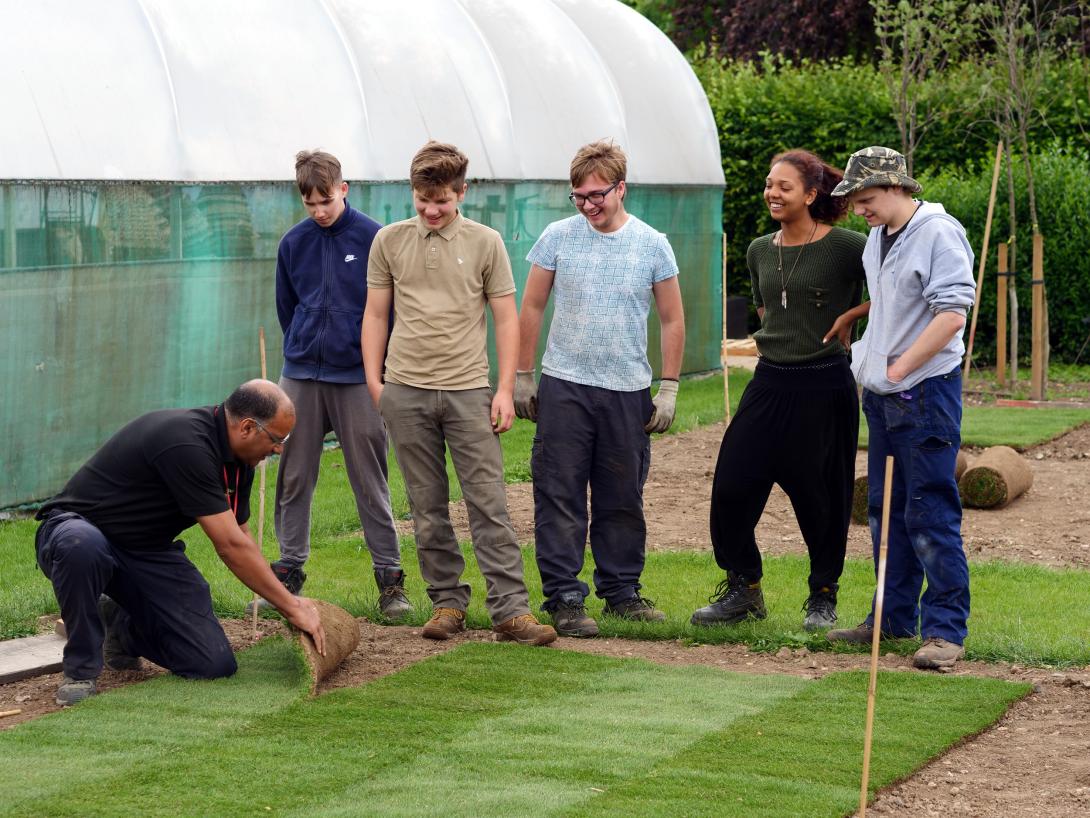
We know from our conversations with young people that they have an interest in the environment and being involved in initiatives that tackle the changing climate or improve the biodiversity in their locality. Involving students from the start of any project – surveying the site, deciding what the aims of the changes will be and how they want the site to look - will not only boost wildlife and enrich the school’s environment but will also prove to be a draw for students. Involving students in every part of your improved biodiversity journey will help to ensure that there is engagement with the new spaces that are created.
As the green areas develop, this will bring additional engagement value as students monitor and evaluate the impact that the new spaces are having on biodiversity. Monitoring can be as simple as taking pictures and making diary entries for the area but it helps record how the space is developing and demonstrate the positive impact that it is having and encouraging more students to get involved.
Small measures for big impact
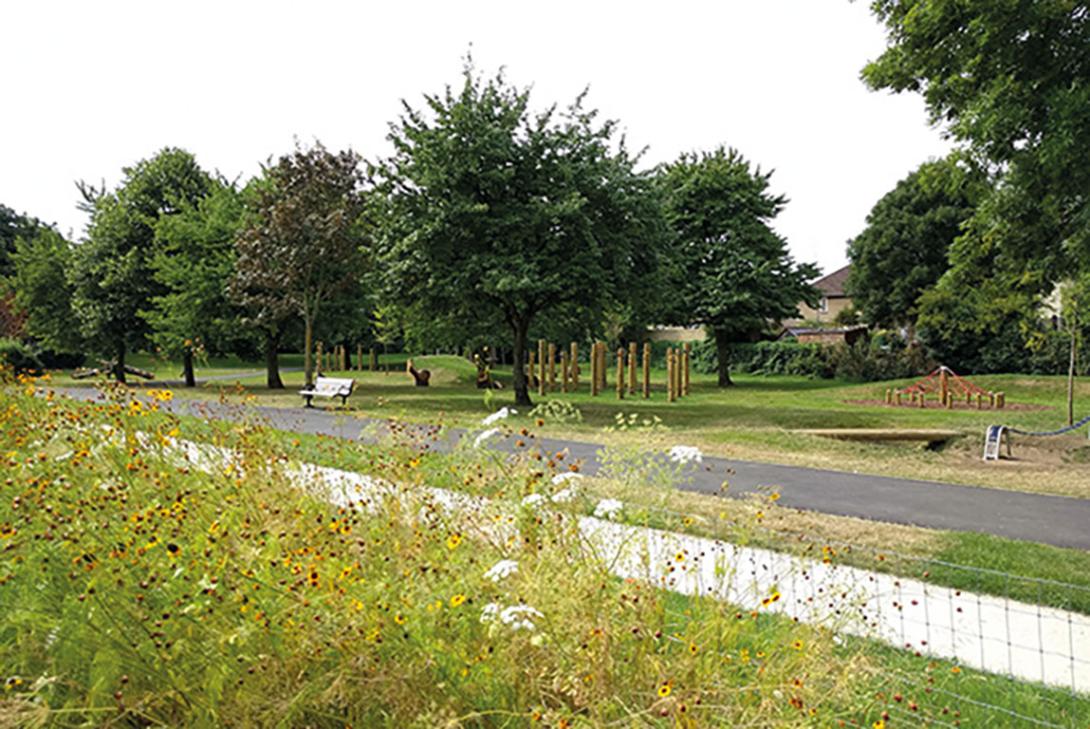
Improving the school estate’s biodiversity doesn’t have to be a big job. Even small adjustments to how school grounds are managed can make meaningful differences to the habitat and environmental value of the estate. Even something as simple as expanding or enhancing the green spaces in the school can have a positive impact on biodiversity. If you can move from grass or turf in those spaces to establishing flowering meadows, for example, then this will become a nectar rich resource for bumblebees and other pollinating insects.
The late Nigel Dunnett from the University of Sheffield was a world leading authority on naturalistic planting and Pictorial Meadows is a great resource for information and seed mixes for anyone looking to create meadows on their land.
The benefits of a pond
One of the best things that you can do to improve biodiversity is to install a pond. Most local authorities will allow schools to have ponds, but it is always a good idea to seek guidance and permission before you begin work. Given the associated hazards with any body of water, you will need to undertake an appropriate risk assessment which will vary according to the type of school and the age of pupils. There are, of course, steps you can take to make the pond area safer such as fencing the area off and always ensuring that children are supervised when close to the pond.
Where you place your pond can have a significant impact on its safety. The Royal Society for the Prevention of Accidents has some advice on this which includes ensuring that there is a safe approach to the pond where children can look safely and to avoid using loose submerged netting which not only impacts on the wildlife benefits but it also won’t stop children falling in.
But, if you can install a pond – even a relatively small one – the biodiversity benefits are manyfold.
Ponds can support a wide range of aquatic insects which will, in turn attract birds and amphibians (hopefully). Ponds can provide a much-needed habitat for amphibians which rely on water to breed and lay spawn. Locating the pond in a quieter area will help to provide visiting wildlife peace to thrive. It is also a good idea to ensure that there is sufficient vegetation to allow visiting animals to move safely up to and away from the pond.
However, if you want to maximise the biodiversity benefits of the pond then it is best to avoid stocking it with fish. This may seem like strange advice, but fish often eat the invertebrates – such as damselflies, dragonflies, and water beetles - that provide wider environmental benefits if they are allowed to flourish.
Ponds will also provide drinking and bathing opportunities for mammals and birds – particularly in more urban areas. Having a well-constructed and maintained pond could attract swallows, herons, hedgehogs and bats. As the pond becomes more established and the miniature ecosystem flourishes the pond will become an important part of the local wildlife food chain.
There are many resources that will give you guidance on building your pond. But the Wildlife Trusts’ resources are a great place to start – and there will be one close to you that will also provide advice.
Other, relatively easy routes to improving biodiversity include installing bat and bird boxes; planting hedges which are a vital element of any healthy ecosystem and bring many benefits for people and wildlife (hedge planting packs and advice are available from the Woodland Trust ); and creating log piles and insect hotels.
Support from the industry
The British Association of Landscape Industries (BALI) is the UK’s leading association for the landscaping industry supporting garden designers, landscapers, arborists and training providers. All part of an industry worth £29 billion. We play a vital role in driving skills, sustainability, and professionalism across the country.
Since 2017, BALI has run a careers and skills information service called GoLandscape. Its aim is to explain everything you might need to know to know about the landscaping industry from how to get into landscaping to what it’s like to have a career in landscaping. As part of our outreach, we have a small network of Ambassadors who are committed to work with schools and other groups to talk about the landscaping sector and offer support to related school projects.