
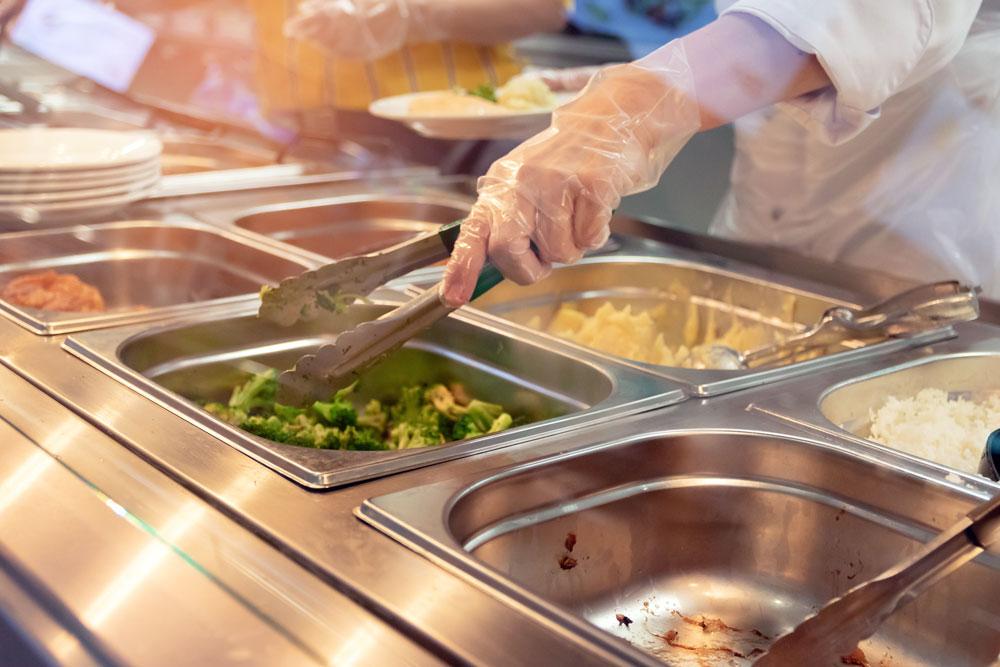
New research shows that while awareness of the expansion of Free School Meals eligibility is growing, many families remain unclear about what the changes mean for them and the steps they need to take.
The survey - led by The School Food People - found that 62% of parents of children who qualify for Free School Meals under the new eligibility criteria, are aware the rules are changing. While this shows that awareness is growing, 38% remain unaware that eligibility is expanding.
When it comes to understanding the new eligibility criteria, seven in ten parents (70%) say they are confident they know whether their child qualifies. Yet only half (50%) have actually checked, leaving an equal proportion yet to confirm whether they will benefit from the changes.
However, the research suggests the biggest area of confusion surrounds the application process. One in three parents (32%) know they need to apply for Free School Meals under the new eligibility rules. Meanwhile more than a third (35%) believe their child will be automatically enrolled, while a further 33% are unsure whether an application is required.
The research also highlights the financial importance of the expansion. More than eight in ten parents (82%) said they are worried about the rising cost of living and providing nutritious food for their children, with over a third (36%) saying they are ‘very’ worried.
Encouragingly, almost three quarters of parents (73%) intend to apply for Free School Meals ahead of the new academic year. However, the research also highlights several barriers that could prevent some families from applying.
Among those surveyed, 14% said they were unsure where to apply, 12% cited concerns around stigma and 10% said they found the application process confusing. Children's personal preferences also play a role, with 19% saying their child only wants to take a packed lunch and 18% saying their child doesn't like school lunches.
Brad Pearce, Chair of The School Food People, said: “The expansion of Free School Meals to those families in receipt of Universal Credit is one of the most significant developments we've seen in school food for many years and has the potential to make a real difference to thousands of families across England.
“The research shows awareness of the changes is increasing, which is encouraging. But with September fast approaching, there is an important communication job to do. Schools, local authorities, and the wider education sector all have a role to play in making sure every family understands the changes and knows what action they need to take before September.
“The expansion is a hugely positive step, but it must be matched by increased sustainable funding so schools can continue delivering high-quality meals without placing additional pressure on already stretched education budgets. Every additional free school meal funded at the current level, which is lower than the actual cost of providing food and labour, simply exacerbates the problem and budget shortfall. Supporting more children should go hand-in-hand with supporting the schools that make this possible every day.”
The survey also explored what families would do if their child was unable to access Free School Meals at the start of term because of an application or registration issue. While 45% said they would provide a packed lunch and almost a quarter (24%) would pay for school lunches themselves, these aren't viable options for every family.
Nearly one in five parents (18%) said they would go without food themselves in order to ensure their child had lunch, while one in ten (10%) said they would be more likely to rely on a food bank.
Parents identified their child’s school as the most trusted source of information about Free School Meals (40%), followed by government websites (24%) and local councils (18%).