
Healthier meals, stricter nutrition rules and greater accountability are at the heart of proposed reforms to school food standards. With the consultation now closed, we explore what could be changing
School meals in England are set for their biggest overhaul in more than a decade, as the government moves to strengthen School Food Standards in a bid to improve children’s health and tackle rising levels of obesity.
Following a nine-week consultation, which has now closed, ministers are expected to publish their response in September 2026. If adopted, the reforms would introduce tougher nutritional requirements for breakfasts and lunches served in schools, alongside a new national enforcement system to ensure standards are consistently met.
The proposed changes come at a time of growing concern about children’s health. One in three pupils leave primary school overweight or obese, while tooth decay linked to high-sugar diets remains the leading cause of hospital admissions among children aged five to nine. Government polling has also found that three-quarters of parents are concerned about the food their children are eating.
Why change the standards?
School Food Standards were last significantly updated more than 10 years ago. Since then, eating habits, nutritional guidance and public health priorities have evolved considerably.
The government says the revised standards have been developed in collaboration with nutritionists and public health experts to ensure that every meal served in schools supports healthier diets while helping children develop positive eating habits for life.
Alongside strengthening nutritional requirements, ministers also want to improve accountability by introducing a national monitoring and enforcement mechanism. Schools would also be expected to publish their food policies and menus online, while appointing a lead governor with responsibility for school food.
What’s changing?
Many of the proposals focus on increasing fibre and reducing sugar, saturated fat and salt across school meals.
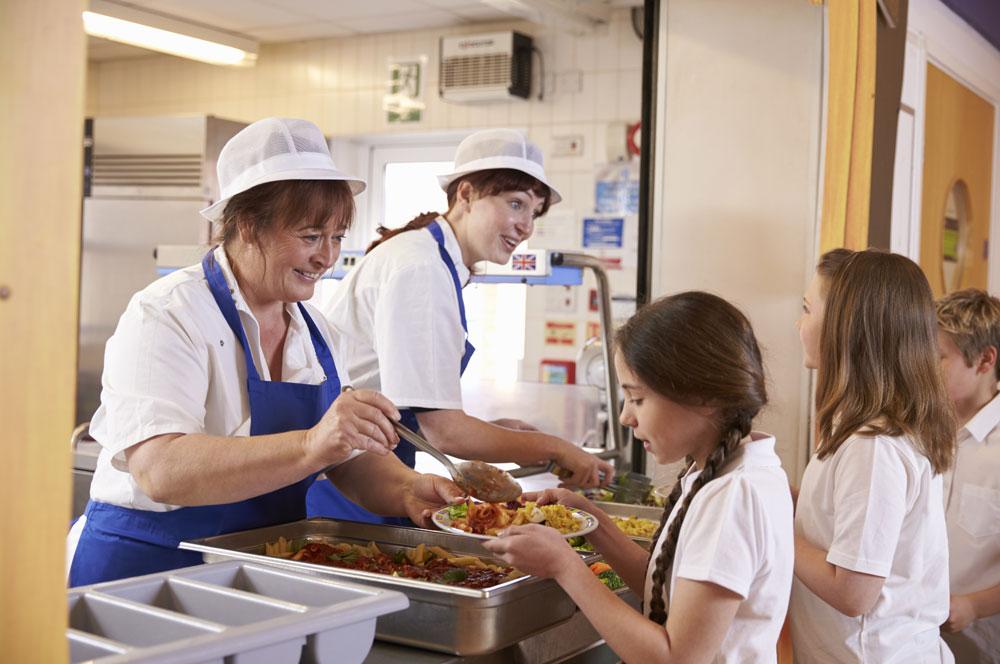
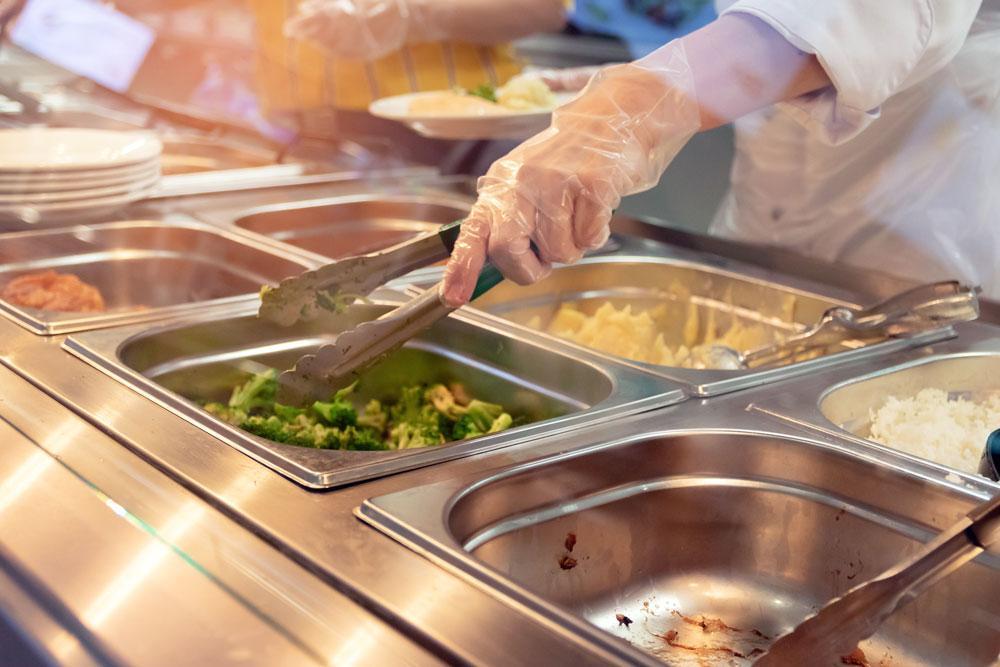
Under the plans, schools would be required to serve vegetables or salad with every main meal, including grab-and-go options, while all desserts would need to include or be accompanied by fruit. Primary schools would also introduce at least one fruit-only dessert day each week.
Starchy foods would become healthier, with schools expected to use higher-fibre breads and ensure at least half of rice and pasta served is wholegrain. Pulses would also feature more prominently, becoming a required part of menus at least once a week.
Perhaps the most eye-catching proposals are those targeting less healthy foods. There would be limits on how often items such as pizza and sausage rolls are permitted, while deep-fried foods would be removed altogether. Processed meats, battered products and cheese-heavy meals would all face tighter limits on how frequently they can appear on menus.
Sugar reduction is another major theme. Sweet baked goods and desserts would be served less often, fruit juice would be removed from school meal services, and schools would be limited to offering healthier drinks such as water, milk and selected low-sugar alternatives. The use of sugar, honey and syrups during food preparation would also be restricted.
The proposals extend beyond lunch. For the first time, separate nutritional standards would be introduced for breakfast clubs, reflecting the government’s continued rollout of universal primary breakfast provision.
Schools would also face new rules governing meal deals, vegetarian meat alternatives, non-sugar sweeteners and snacks, with only fruit, vegetables, breadsticks and savoury crackers permitted between meals.
The government is also reaffirming the requirement that all schools must provide pupils with access to free, fresh drinking water at all times.
Supporting schools through the transition
Recognising the scale of the changes, the government has proposed a phased implementation for some measures in secondary schools. This would give catering providers and school leaders time to redesign menus, develop new recipes, train staff and manage procurement changes before enforcement begins in September 2027.
Schools already able to meet the proposed standards are being encouraged to adopt them ahead of the mandatory deadline.
Sector welcomes the proposals
The reforms have been widely welcomed by organisations campaigning for healthier school food.
Stephanie Slater MBE, founder and chief executive of School Food Matters, described the consultation as “a truly exciting moment for school food”.
She said: “The government’s move to update the school food standards will strengthen the extension of free school meals and the continued roll-out of universal primary breakfast clubs. This has the potential to revolutionise access to delicious, nutritious and sustainable food for children and young people across the country.”
School Food Matters is a charity that provides funded food programmes in schools and campaigns to bring the voices of children, parents and teachers to government in order to shape policy.
Celebrity chef Jamie Oliver, whose school meals campaign transformed the national conversation two decades ago, also welcomed the proposed reforms.
“Twenty years ago, dog food had higher standards than school dinners. I’ve been banging the drum ever since because I refuse to accept our kids being fed anything less than proper, nourishing meals.
“School food is the UK’s most important restaurant chain. From September, during term-time schools will provide two-thirds of a child’s daily diet - a massive opportunity to improve health at scale.
“So, I’m delighted this government is now updating and enforcing these standards.”
Anna Taylor, executive director, The Food Foundation, added: “With government announcing higher school food standards, which will also be monitored, and rolling out universal breakfast clubs and wider access to free school meals, the huge potential of school food to nourish and energise the next generation is finally being recognised. This must be the moment the whole sector pulls together to make school food delicious and nutritious, and embed food education into the school day.”
D’Arcy Williams, CEO of Bite Back, a campaign for healthier school food and fairer advertising led by young people, highlights the importance of proper implementation for the changes to work. She said: “The reality is that the system hasn’t been working. We have standards that are meant to protect children’s health, but without proper monitoring and accountability, they haven’t been consistently enforced. That’s allowed a grab-and-go culture to take hold in many schools – where speed and convenience often come at the expense of nutrition.
“Our recent Grab and Go research shows how this plays out in practice. With short lunch breaks, long queues and limited healthier options, young people are being pushed towards quick fixes that leave them hungry, tired and unable to focus in lessons.
“The government’s ambition to create the healthiest generation ever is the right one. But it will only be achieved if these new standards are properly implemented and enforced, and if the reality of how young people eat during the school day is fully addressed. This is a real opportunity to reset the system – and we must get it right.”
Looking ahead
While the consultation has now closed, schools will be watching closely for the government’s response later this year, when further details of the enforcement framework and implementation timetable are expected.
If the proposals are adopted in full, they would represent the most significant reform of school food in more than a decade, placing healthier eating at the heart of the school day while giving schools greater responsibility for ensuring every child has access to nutritious, balanced meals.