Revised A-level politics faces criticism for ‘cutting feminism’
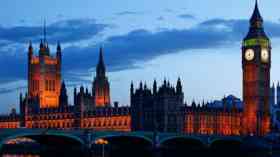
The revised A-level politics course has been criticised in the House for Lords for cutting feminism from the syllabus.
The Department for Education (DfE) published a revised version of the course in November 2015, with a new focus on three core theories of conservatism, socialism and liberalism, as it was thought this would ‘best prepare’ students for undergraduate study.
As a result of these changes, sections on feminism and gender equality have been removed and of seven political thinkers listed in the new course, just one, Mary Wollstonecraft, is female.
In a House of Lords debate, Liberal Democrat Baroness Parminter said: "Increasing awareness of the outstanding challenges facing gender equality requires young people to be familiar with political thinkers and the movements which have generated progress to date.
"So can I ask you why the government intends to cut feminism and limit to one political female thinker in the proposed politics A-level syllabus?"
Government whip Baroness Evans responded: "You'll be aware there is currently no requirement in the existing A-level criteria to study feminism.
"Exam boards have worked closely with universities on the proposed content and that's why the recently consulted content has identified three core political theories to be studied.
"But, of course, the work of key female thinkers can be included within these."
Shadow education spokesman Lord Watson also questioned whether a pattern was emerging, referencing recent changes to the A-level music syllabus that included 63 male composers and no female, and was later amended to include five female.
In response to the criticism, a DfE spokesperson said: "Tackling gender inequality at all ages and levels is at the heart of this government’s commitment to extending opportunity for all.
“We expect schools to highlight the issues faced by women and the contribution they have made throughout all walks of life and ages in history, as part of providing a broad and balanced curriculum. We have deliberately freed teachers from an overly prescriptive curriculum, but this does not in any way preclude them from celebrating the important achievements and contributions of women not only in politics, but across the fields of science, literature, music and the arts.
“The proposed new content for politics A-level will provide scope for pupils to study the work of key female political thinkers within the ideologies covered as well as in dedicated modules on UK and global politics. However, as always we will listen carefully to the views of the sector and the wider public as part of a full consultation process.”
Read moreLatest News

01/10/2025 - 10:23
The Welsh Government has agreed to continue a licensing deal which will give all learners at Welsh state schools free access to Microsoft 365 at school and at home.

01/10/2025 - 09:51
Schools will play a greater role in ensuring every pupil has a clear post-16 destination, with a new approach to a guaranteed college or FE provider place available as a safety net being tested.

30/09/2025 - 09:51
The Chancellor has committed over £10 million in funding to guarantee a library for all primary schools by the end of this parliament.

30/09/2025 - 09:45
New data from Ofqual shows that schools and colleges across England are making progress in cyber security training, but are struggling to recover quickly from attacks when they occur.

29/09/2025 - 10:34
Low-income White children (LIWC) are among the least engaged pupils in England’s schools, according to new research.