‘Horror stories’ of children put in isolation cause debate
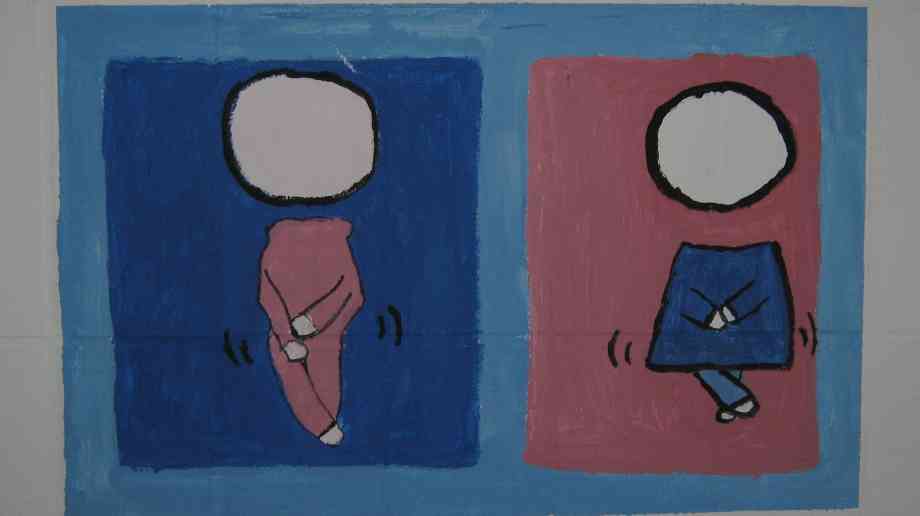
Anne Longfield has revealed that some schools are converting toilet blocks and classrooms to build isolation booths to accommodate ‘disruptive’ children.
Referring to them as ‘horror stories’, the children’s commissioner highlighted some examples she had heard regarding isolation booths, spaces in which the pupils sit in silence for hours as punishment for breaking school rules and disruptive behaviour. Pupils had told her they had been put in isolation repeatedly for days or weeks at a time and described the experience as ‘distressing and degrading’. The BBC claims that more than 200 pupils had spent at least five straight days in isolation areas in schools in England in 2017.
Campaigners have warned that excessive use of the practice could be putting young people’s mental health at risk. Longfield is undertaking new research to discover how widespread the use of isolation booths is and what kind of children are affected in response to mounting disquiet among parents and mental health campaigners about the practice.
The children’s commissioner has also revealed that she is increasingly concerned that isolation is being used by some schools as a ‘gateway’ to exclusions and that it affects disproportionately high numbers of children with special educational needs.
Longfield said: “Often parents, especially those with children with special educational needs, will talk to me about how their children are always being put in isolation booths. And then after three or four or six months of the child having a terrible time at school, there’s a discussion with the parent about [how] maybe the school couldn’t offer the support that child needed. So I’m very worried about that gateway. Some children have said they even just sleep in the booths. In fact, one child even said: ‘Oh well, they’re not that bad,’ – they get to have a sleep.”
The Centre for Mental Health recently warned that putting challenging pupils in isolation for extended periods at school could harm their mental health, claiming that young people who had already suffered trauma were particularly vulnerable.
Read moreLatest News
30/04/2026 - 09:51
School leaders’ union NAHT has released new analysis of Ofsted’s inspections under its new framework.
30/04/2026 - 09:38
A call for evidence has been launched to help shape the findings and recommendations of an independent review into antisemitism in schools.
30/04/2026 - 09:07
The hard-hitting films use realistic scenarios and visual effects to show the consequences of contact with live electrical equipment on the railway.

29/04/2026 - 10:03
A study from the Education Endowment Foundation (EEF), conducted by the UCL Institute for Education, examined the impact of student grouping in maths.

28/04/2026 - 09:56
A new survey by the British Council has revealed that more than two thirds (67%) of primary school age children say they would like to spend more time at school learning a language.